How Chinese Citizens Can Legally Obtain a U.S. or European Passport
by jaybe · Published · Updated
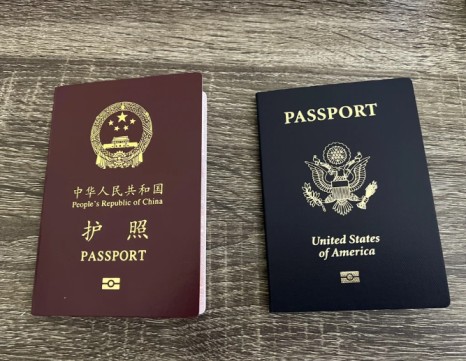
As global mobility becomes increasingly important, many individuals are exploring opportunities to live, work, study, and invest abroad. Consequently, interest in obtaining a second passport has grown significantly among international applicants. For many people seeking greater travel freedom and long-term opportunities, understanding the legal pathways to citizenship is essential.
This guide explains how Chinese citizens can legally pursue citizenship opportunities in the United States and Europe, the requirements involved, and the common routes available for obtaining a second passport.
Why Are Chinese Citizens Seeking a Second Passport?
Many individuals are interested in a Chinese citizens second passport to access broader international opportunities. A second passport may offer benefits such as:
- Expanded visa-free travel
- International business opportunities
- Access to global education systems
- Greater residency and employment flexibility
- Long-term family relocation options
Furthermore, many applicants view a second citizenship as part of a long-term international lifestyle strategy.
Understanding Chinese Citizenship to EU Passport Pathways

One of the most frequently searched topics is Chinese citizenship to EU passport options. While there is no direct conversion process, individuals may qualify for European citizenship through legal immigration and naturalization programs.
Most European countries require applicants to:
- Obtain legal residency
- Meet minimum residency requirements
- Demonstrate language proficiency where required
- Maintain a clean legal record
- Pass citizenship assessments if applicable
As a result, applicants who successfully complete these requirements may eventually become eligible for citizenship and a European passport.
Best European Countries for Chinese Citizens
Portugal
Portugal remains a popular destination due to its residency opportunities and relatively straightforward path to citizenship.
Applicants typically need to:
- Establish legal residency
- Meet physical presence requirements
- Demonstrate integration into society
Consequently, Portugal is often considered by those researching a European passport for Chinese citizens.
Spain
Spain offers citizenship pathways through long-term residency and family-based immigration programs.
Key requirements generally include:
- Continuous legal residence
- Proof of financial stability
- Successful completion of citizenship requirements
Italy
Italy provides citizenship opportunities through residency and ancestry-based claims for eligible individuals.
Moreover, Italy’s strong economy and central European location make it an attractive option for international applicants.
Germany
Germany offers citizenship through naturalization for qualified long-term residents who meet language, residency, and integration requirements.
As a result, many applicants pursuing a European passport for Chinese citizens explore Germany as a potential destination.
How Chinese Citizens Can Obtain U.S. Citizenship
Another common topic is U.S. citizenship for Chinese nationals. The United States offers several legal pathways to citizenship.
Employment-Based Immigration
Many professionals qualify for employment-sponsored immigration programs.
Common routes include:
- Skilled worker visas
- Specialized professional visas
- Employer-sponsored permanent residency
After obtaining permanent resident status and meeting residency requirements, applicants may become eligible for naturalization.
Family Sponsorship
Immediate relatives of U.S. citizens may qualify for immigration benefits that eventually lead to citizenship.
Marriage to a U.S. Citizen
Marriage to a U.S. citizen can provide a legal pathway toward permanent residency and eventual naturalization.
Investment Programs
Qualified investors may pursue immigration opportunities through approved investment programs, subject to current regulations and requirements.
Therefore, many individuals researching U.S. citizenship for Chinese nationals choose professional guidance to navigate the complex legal process.
Challenges Applicants Commonly Face
Whether pursuing U.S. or European citizenship, applicants often encounter challenges such as:
- Complex documentation requirements
- Long processing timelines
- Residency compliance obligations
- Language requirements
- Legal and administrative procedures
However, proper preparation and professional support can significantly improve the application experience.
Related Topics: